
Decarbonization planning
A decarbonization plan sets out how a building or portfolio gets from today’s emissions to its target, in steps that line up with equipment replacement and capital budgets, so every dollar spent moves it closer.

What it is and why it matters
Most building emissions come from burning natural gas for heating and hot water. Decarbonization reduces them by cutting energy demand first, then electrifying heating with heat pumps and adding low-carbon or renewable energy.
A good plan is timed to the asset: replacing a boiler with a heat pump when the boiler reaches end of life costs far less than doing it early.
New buildings face the same question at design stage. Choosing a low-carbon system now avoids an expensive retrofit later, and in Toronto it can unlock development charge refunds.
Our approach
We measure current energy use and emissions from utility data, benchmarked against similar buildings.
We compare scenarios, from efficiency only to full electrification, with their cost, savings and emissions.
Measures are sequenced into a year-by-year capital plan aligned with equipment end of life.
We identify the incentives, financing programs and development charge refunds available at each step.
 36-40 Avondale Avenue
 Nine-building commercial portfolio
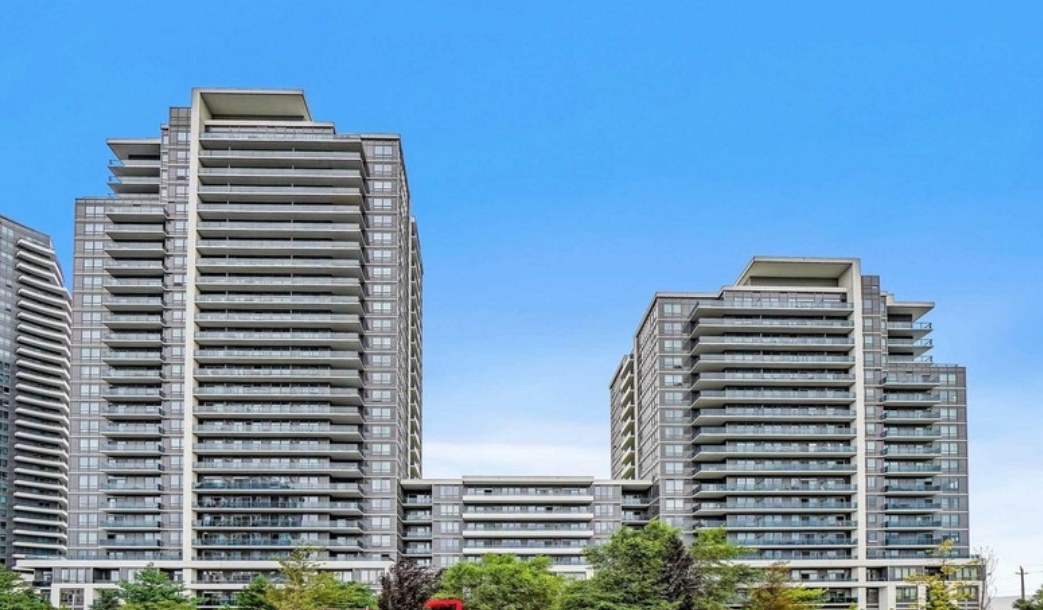 Parkside Tower Condos
 Northline Motor
Setting an emissions target?
Tell us about the building or portfolio. We will show you the path.